Benefits of Steel Fabrication in Residential Construction
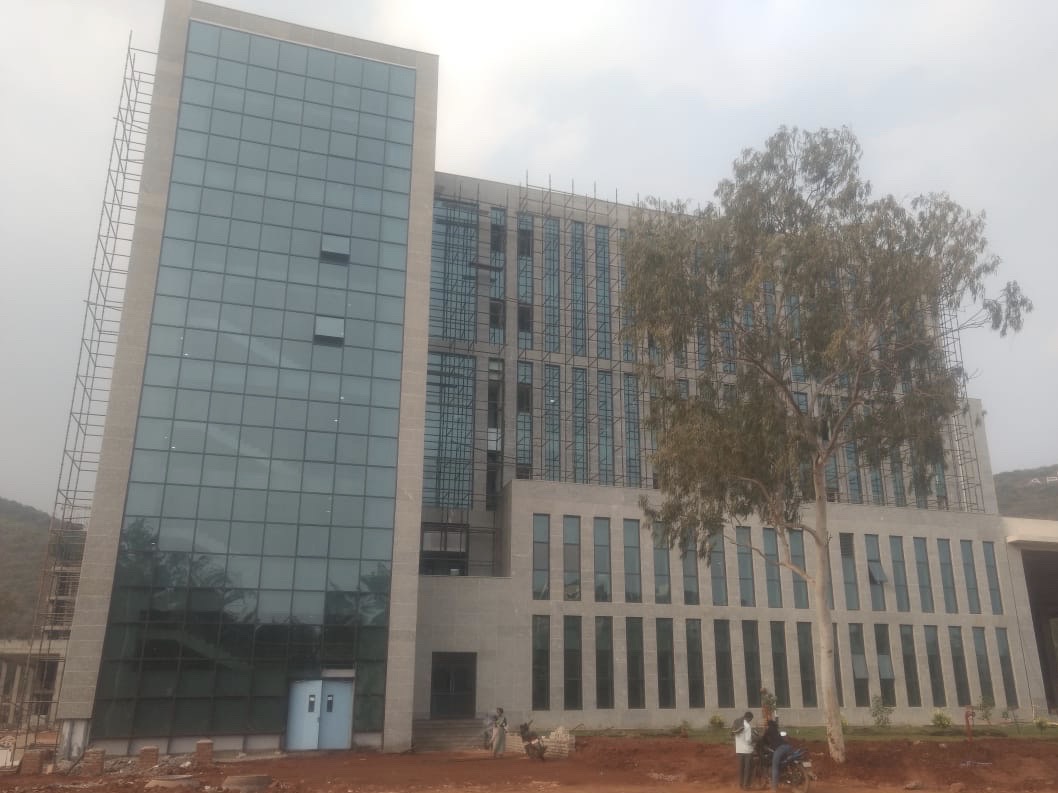
Steel fabrication has become an essential component in modern residential construction. As homeowners and builders seek durable, sustainable, and cost-effective solutions, steel stands out as a material that meets these demands. This blog post explores the numerous benefits of steel fabrication in residential construction, highlighting its advantages, applications, and the future of building homes with steel.
Understanding Steel Fabrication
Steel fabrication involves the process of cutting, bending, and assembling steel structures to create components used in construction. This process can include everything from beams and columns to custom fittings and frames. The versatility of steel makes it suitable for various applications in residential construction.
Key Processes in Steel Fabrication
Cutting: Steel is cut to specific dimensions using various methods, including laser cutting, plasma cutting, and saw cutting.
Bending: Steel can be bent into various shapes and angles, allowing for creative architectural designs.
Welding: This process joins steel pieces together, creating strong and durable connections.
Finishing: Steel components are often treated with protective coatings to prevent rust and enhance aesthetics.
Advantages of Steel Fabrication
Durability and Strength
One of the most significant benefits of steel fabrication is its durability. Steel structures can withstand extreme weather conditions, including high winds, heavy snow, and earthquakes. Unlike wood, steel does not warp, crack, or rot, ensuring that homes remain structurally sound over time.
Cost-Effectiveness
While the initial cost of steel may be higher than traditional materials like wood, the long-term savings are substantial. Steel's durability means fewer repairs and replacements, leading to lower maintenance costs. Additionally, steel's lightweight nature can reduce transportation and labor costs during construction.
Sustainability
Steel is one of the most recycled materials globally, making it an environmentally friendly choice for construction. Using recycled steel reduces the need for new raw materials, minimizing the environmental impact. Furthermore, steel structures can be designed for energy efficiency, contributing to lower energy bills for homeowners.
Design Flexibility
Steel fabrication allows for greater design flexibility compared to traditional materials. Architects can create open floor plans and large spans without the need for numerous support columns. This flexibility enables homeowners to customize their living spaces according to their preferences.
Speed of Construction
Steel components can be prefabricated off-site, allowing for quicker assembly on-site. This speed reduces construction time significantly, enabling homeowners to move into their new residences sooner. Additionally, the precision of steel fabrication minimizes the likelihood of errors during construction.
Applications of Steel Fabrication in Residential Construction
Structural Frameworks
Steel is commonly used for the structural framework of homes. Steel beams and columns provide the necessary support for roofs and floors, ensuring stability and safety. This application is particularly beneficial in areas prone to natural disasters, where structural integrity is crucial.
Roofing Systems
Steel roofing systems are gaining popularity due to their longevity and resistance to harsh weather conditions. Steel roofs can last up to 50 years or more with proper maintenance, making them a wise investment for homeowners.
Custom Features
Steel fabrication allows for the creation of custom features such as staircases, railings, and decorative elements. These unique designs can enhance the aesthetic appeal of a home while providing functional benefits.
Energy-Efficient Solutions
Steel can be integrated into energy-efficient designs, such as insulated steel panels. These panels provide excellent thermal performance, helping to regulate indoor temperatures and reduce energy consumption.
Case Studies: Successful Steel Fabrication Projects
The Steel House in Texas
One notable example of steel fabrication in residential construction is the Steel House in Texas. This innovative home features a steel frame and exterior, showcasing the material's versatility and strength. The design incorporates large open spaces and expansive windows, providing stunning views of the surrounding landscape.
Eco-Friendly Steel Homes in California
In California, several eco-friendly homes utilize steel fabrication to create sustainable living spaces. These homes often feature solar panels, energy-efficient appliances, and insulated steel walls, demonstrating how steel can contribute to environmentally conscious construction.
Challenges of Steel Fabrication
While steel fabrication offers numerous benefits, it is not without challenges. Some of the common issues include:
Corrosion: Steel is susceptible to rust if not properly treated. Protective coatings are essential to prevent corrosion.
Cost Fluctuations: The price of steel can fluctuate based on market conditions, impacting overall project budgets.
Skilled Labor: Steel fabrication requires skilled labor for cutting, welding, and assembly. Finding qualified workers can be a challenge in some regions.
The Future of Steel Fabrication in Residential Construction
As technology advances, the future of steel fabrication in residential construction looks promising. Innovations such as 3D printing and robotic fabrication are expected to enhance the efficiency and precision of steel construction. Additionally, the growing emphasis on sustainability will likely drive further adoption of steel as a primary building material.
Conclusion
Steel fabrication is revolutionizing residential construction by providing durable, cost-effective, and sustainable solutions. As homeowners increasingly recognize the benefits of steel, its applications in residential building will continue to expand. By embracing steel fabrication, builders and homeowners can create strong, beautiful, and environmentally friendly homes that stand the test of time.

Comments